
Custom Railing / San Jose & South Bay
Railing Repair & SB 721 Corrections in San Jose, CA
We fix wobbly posts, rust-eaten bases and cracked welds, and we turn SB 721, SB 326 and E3 inspection findings into a repair scope your building department can review.
- Licensed & InsuredEvery job
- In-Shop FabricationBuilt to measure
- Free On-Site EstimatesWritten ranges
Railing Repair & SB 721 Work in San Jose
We take on railing repair & SB 721 corrections in San Jose for apartment owners, property managers, HOA boards and homeowners whose railings have worked loose, rusted at the base or cracked at a weld. Fixing one corroded post costs far less than buying a whole new railing, and that is where we start.
San Jose's housing is old enough that repair is the everyday job. Census ACS data shows about 60% of the city's 345,066 housing units were built before 1980, and the median home dates to 1976. That means many porch, stair and balcony railings have been outside for 45 years or more, through rainy winters and long dry summers, often on wood framing that has moved the whole time.
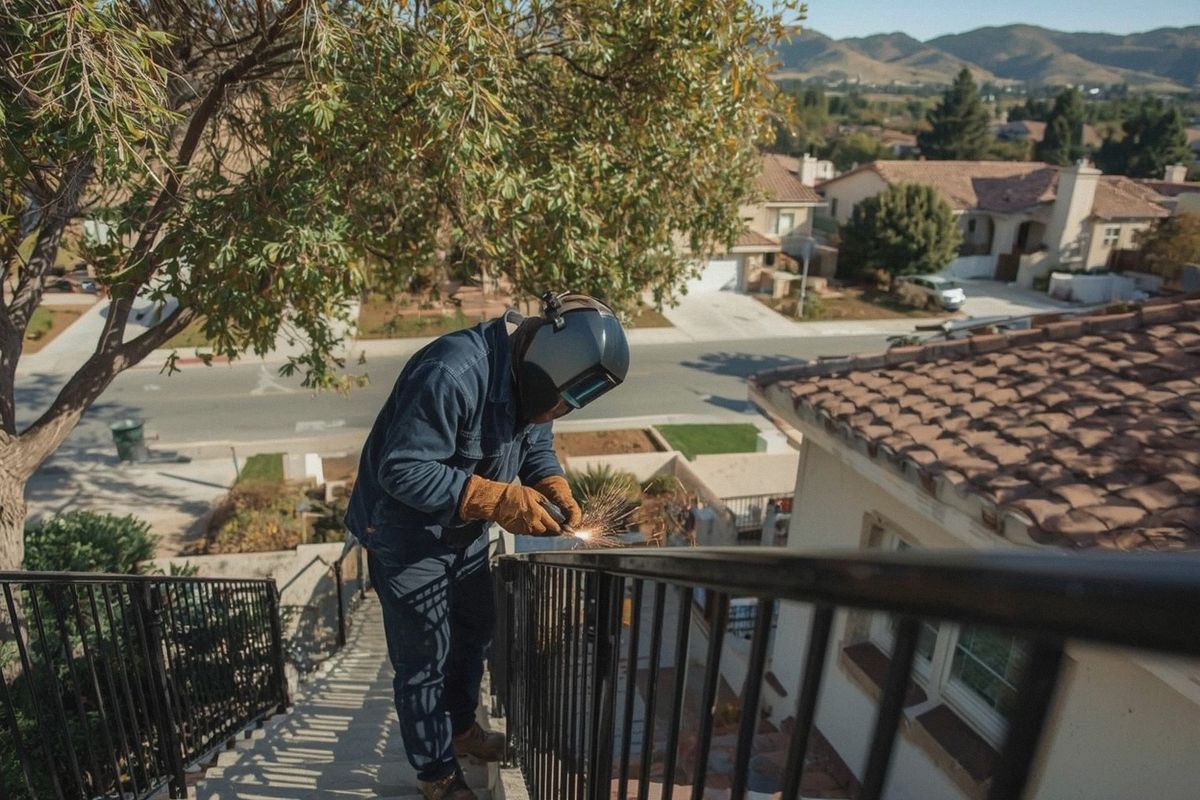
Our fixes are welding, re-anchoring, picket replacement and refinishing. If the wood under a rail has rotted or the steel has lost too much metal, you hear it from us directly, with a replacement price next to the repair price. Holding an inspection report? Call (408) 409-8723 and read us the railing items.
SB 721, SB 326 and San José's E3 Program
SB 721 is codified at Health and Safety Code §17973. It reaches any building with three or more multifamily dwelling units and targets exterior elevated elements higher than 6 feet above the ground that depend in whole or in substantial part on wood: balconies, decks, porches, stairways, walkways, entry structures and the railings on all of them. After AB 2579 extended it, the first round of inspections was due January 1, 2026. That deadline is behind us, so owners who skipped it are now overdue. Re-inspection comes around every 6 years.
San José's E3 page. The city's Code Enforcement Multiple Housing Program runs an Exterior Elevated Elements (E3) page for SB 721 compliance. It covers wood-framed elements only, not balconies or stairs built entirely of concrete or steel. Inspections must be done by licensed professionals (general contractors, architects, or civil or structural engineers), and when immediate repairs are needed, the report goes to the owner and the City within 15 days. The same program has inspected buildings of three or more units on a tiered 3-, 5- or 6-year cycle since 2015.
Condos and HOAs follow SB 326 (Civil Code §5551) instead: wood-supported elevated elements over 6 feet get inspected by a licensed structural engineer or architect no less than once every 9 years, starting with a January 1, 2025 deadline. Our San Jose guide to SB 721 balcony inspections covers both laws in more depth.
What Our Railing Repairs Cover
- Cracked welds ground clean and rewelded on iron and steel rails
- Corroded post bases cut off, then rebuilt with new steel sleeves or base plates
- Posts made solid again: through-bolts and fresh blocking in wood framing, cored and grouted sockets in concrete
- Bent, loose or missing pickets fabricated to the existing pattern
- Old finish stripped, zinc primer applied, then a new coat
- Raised caps or added infill on rails that are short or open, when the scope permits
- Before-and-after photos and repair details for SB 721, SB 326, E3 and permit files
Warning Signs Worth a Repair Call
- Movement at a post or along the rail when you put weight on it
- Rust that flakes or swells where the post meets the deck, the spot where rainwater collects
- Stained or soft wood, or cracked stucco, directly under a post
- Fine cracks along a weld line, or pickets that rotate in their holes
- Anchors set in crumbling concrete, or bolts that have backed out
- On a 1960s or 1970s house, a rail that seems short or has wide gaps between pickets
Our post on signs your railing needs repair explains what each symptom usually means and how urgent it is.
Repair, Rebuild or Replace? How the Options Compare
| Problem found | Fix that usually works | When a new railing makes more sense |
|---|---|---|
| Post moves | Re-anchor into sound framing or concrete with through-bolts or grout | The rim joist or slab edge has failed along much of the run |
| Rusted post base | Remove the rusted section, sleeve or plate it, recoat | Rust has thinned posts and rails throughout |
| Cracked weld | Grind to clean metal and reweld | Welds keep failing because members were undersized |
| Pickets loose or gone | Weld in new pickets made to match | Most pickets are rusted through or loose |
| Worn finish | Strip, prime, recoat | Almost never by itself |
| Too short or too open | A raised cap or new infill, in some cases | Most of the time, once a rebuild is planned |
Keep one rule in mind: replacing more than about half of an existing guard is commonly treated as a replacement that has to meet current code, which means 42 inches tall and closed to a 4-inch sphere. Building departments differ, so check with the City of San José Building Division, or your own city's, before deciding. Our written scope records the answer.
How a Railing Repair Moves From Report to Sign-Off
Assess
We look at the rail, every anchor and the framing or slab beneath it, plus your report.
Scope
Safety items and optional items are listed separately, each with a price.
Permit
If the work needs a permit, we draw the repair details and help with the filing.
Fix
Welds, anchors and pickets are handled on site or brought back to the shop.
Protect
Every repaired spot gets primer and finish so fresh steel is sealed.
Record
You, your board or your inspector receive photos and notes.
Why South Bay Railings Fail Where They Do
The damage follows the weather. About 91% of San José's rain falls between November and April, and it collects where a post meets a balcony deck or stair tread. Then the dry season, roughly May through October, cracks paint, dries out wood framing and lets bolts loosen as the wood shrinks. Water gets into the next crack each winter, which is why rust at the post base is such a common repair.
Age compounds it. About 42% of San Jose's housing was built between 1960 and 1979, and many railings from that era were built to 36-inch heights with picket gaps wider than today's 4-inch rule. Near the Alviso and Sunnyvale baylands, damp, salt-tinged marine air is harder on bare painted steel.
Ground movement is the other stress. The Hayward fault zone reaches the Evergreen area of east San Jose, and the Calaveras bounds the east side of the valley. A connection that is already loose is the one most likely to let go in shaking, so we re-anchor to sound structure rather than tightening a lag screw in soft wood.
SB 721 also reaches smaller buildings than many owners expect. Campbell has the area's highest share of units in 2-4 unit buildings (17%), and a wood-framed triplex or fourplex with an upper walkway is covered.
Railing Repair Cost and Pricing Factors
| Scope | How it is priced |
|---|---|
| Re-welding or re-anchoring a handful of posts | Priced once we have seen it; normally far below replacement cost |
| Rebuilding rusted post bases | Priced per post; access and rust depth drive it |
| Refinishing | Priced per foot; surface prep is most of the labor |
| Partial or full replacement, ornamental iron | $65–$135 per foot installed |
| Partial or full replacement, powder-coated aluminum | $50–$200 per foot installed |
| Permits | Roughly $50–$500, varying by city |
Rot or cracked concrete beneath the rail, how hard the upper floors are to reach and how many units an SB 721 scope covers all move the number. The assessment is free, and the price comes after we have seen the damage. Call (408) 409-8723 to book one.
Why Owners Choose Us for Railing Repair
Repairs are our job, not a favor
Many South Bay iron shops price new railings and decline repair calls. We answer them. Loose posts, rusted bases, cracked welds and missing pickets are routine work for our welders, and replacement enters the conversation only when the steel or the structure behind it can no longer hold. Each scope lists safety items and cosmetic items as separate priced lines, so you choose what happens now and what waits.
Report in, repair items out
Hand us an SB 721, SB 326 or E3 report and each railing finding becomes a numbered repair item, with a detail the building department can check. Items the report marks as needing immediate repair go to the top of the schedule. When the work is done, before and after photos are filed for you, your board and the next inspection, so nobody has to reconstruct what was fixed.
Straight talk on replacement
Some rails are past saving, and sometimes replacing most of a run would trigger current code anyway. In those cases we show you why and price a new railing that is checked against the 42-inch height and the 4-inch sphere before fabrication. Repair and replacement prices come from the same licensed and insured shop, so we gain nothing by pushing you to the larger job.
Railing Repair Across Santa Clara County
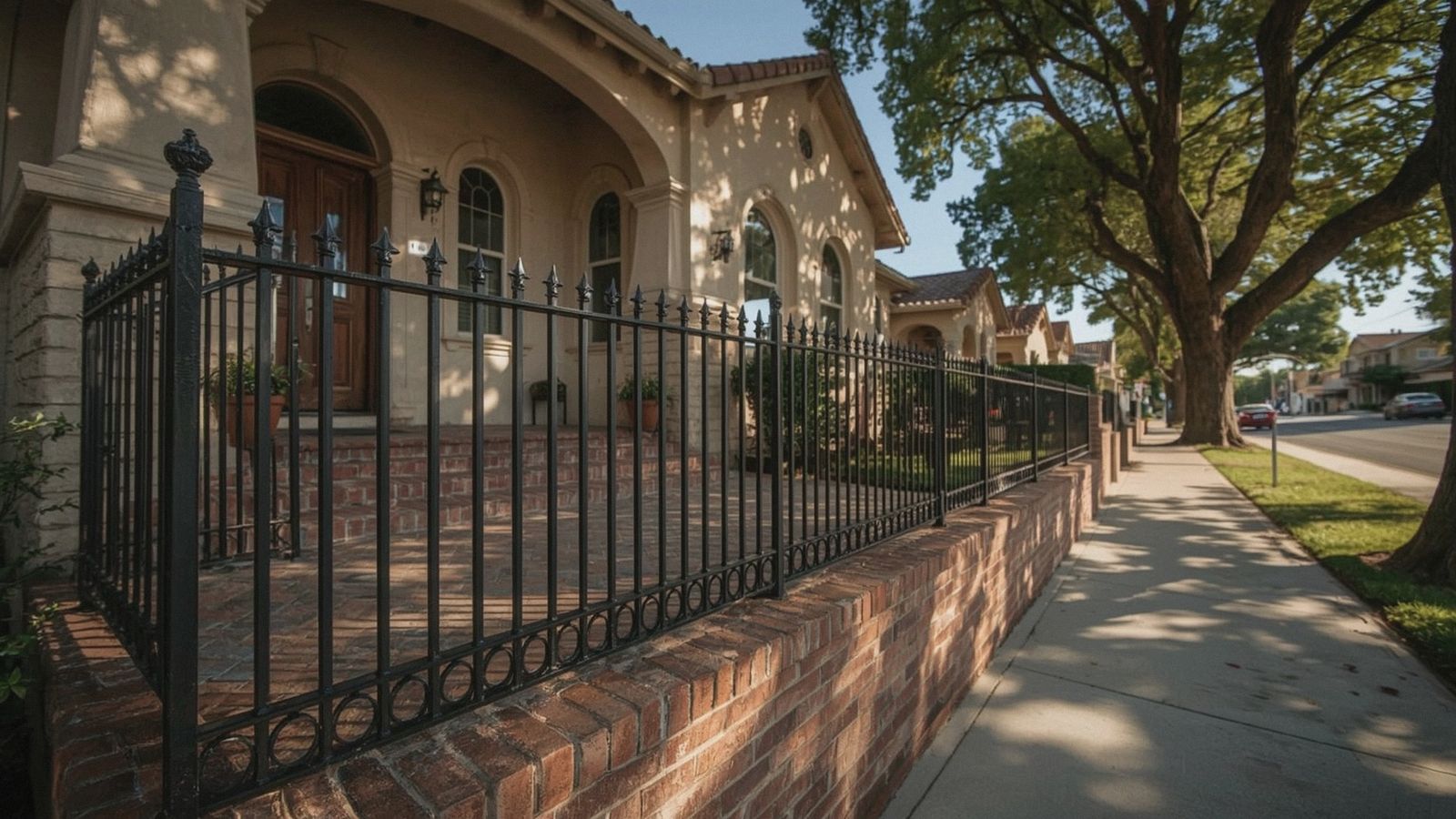
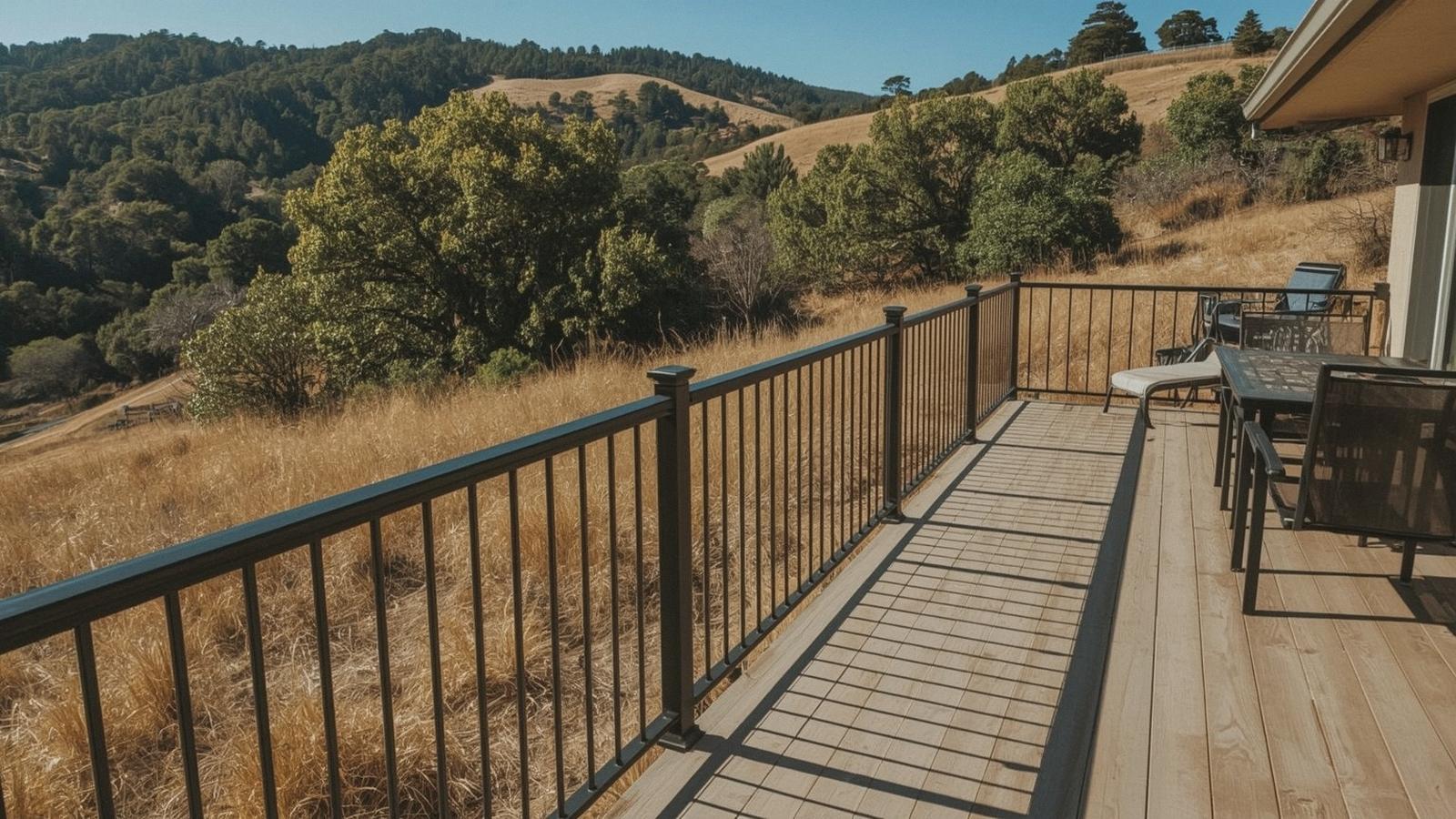
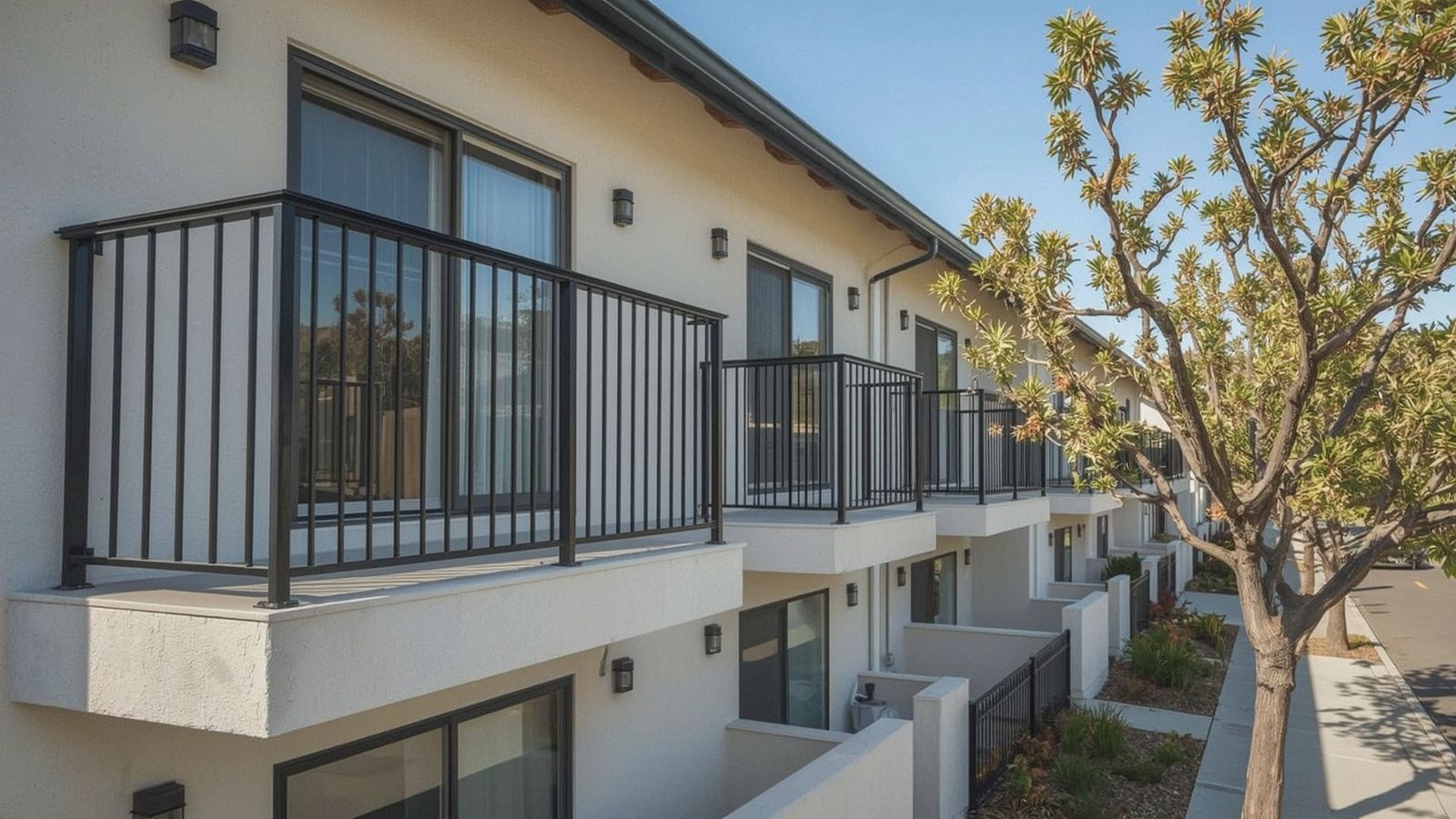
Our repair crews work on apartment buildings and 1970s homes in San Jose, rental complexes in Santa Clara and Sunnyvale, duplexes and fourplexes in Campbell, and older hillside homes in Los Gatos and Saratoga.
For larger portfolios, see our multifamily railing services, HOA and condo railing work and balcony railing replacement. Read about our shop or schedule a free repair visit.
FAQ
Questions, Answered
Straight answers on cost, code, permits and materials. Still unsure? Call and ask.
Which buildings does SB 721 cover?
Any building with three or more multifamily dwelling units that has balconies, decks, porches, stairways, walkways or entry structures more than 6 feet above the ground relying in whole or substantial part on wood. Their railings are part of the inspection. Condominiums and HOAs usually fall under SB 326. The licensed inspector confirms which law fits; the railing work is the same either way.
We missed the January 1, 2026 SB 721 deadline. What now?
Get a licensed inspector scheduled right away. When the report comes back, deal with any items marked as immediate hazards first: San José's E3 page says those reports go to both the owner and the City within 15 days. Send it to us and the railing items get priced line by line, with permit details drafted alongside.
Does San José's E3 program cover steel or concrete balconies?
San José's E3 page covers wood-framed elevated elements only. A balcony or stair built entirely of concrete or steel is outside it. A steel railing bolted to a wood-framed balcony is part of a wood-supported element, so it can still be on the report. Confirm your building's status with the licensed professional doing the inspection.
Why does my railing wobble, and can it be fixed?
Usually the railing itself is fine and the connection at the post has loosened. When the wood or concrete below is still solid, resetting the post is the fix: new through-bolts, extra blocking or a grouted core, plus fresh welds where joints have cracked. Rotted framing has to be repaired before a post can be anchored to it. Photos of what we find come before any recommendation.
Will a repair trigger current code requirements?
Minor fixes generally don't. Bigger ones might: replacing more than about half of an existing guard is commonly treated as a replacement held to current code, meaning 42 inches tall with openings under 4 inches. Departments differ, so we ask yours before starting and note the answer in the scope.
Free on-site estimate
Ready to get started?
San Jose Custom Railing designs, fabricates and installs custom railings across San Jose, CA and the South Bay. Licensed and insured, drawings checked against California code, and permit and HOA paperwork handled for you.