
Custom Railing Cost in San Jose: 2026 Price Guide
Custom railing cost in San Jose at a glance
Custom railing cost in San Jose in 2026 runs from about $20 per linear foot for a basic exterior deck rail to $600 per foot for structural glass, with most residential projects landing between $65 and $260 per foot installed. Where you fall in that span depends on the material, how much of the run is stairs or corners, and how hard the site is to reach.
Silicon Valley prices skew high. Labor costs here are among the steepest in the state, many foothill lots need hand-carried materials, and HOA finish requirements are common. The ranges below already reflect South Bay conditions, but they are still ranges. A firm number comes from measuring your site.
It also helps to know what a per-foot price includes. Our figures are installed prices: fabrication, finish, delivery and installation of the railing itself. They do not include repairs to the deck or stair underneath, removal of a large existing railing, engineering on a tall balcony or the permit fee. Those items are listed separately on a written quote so you can see exactly where the money goes.
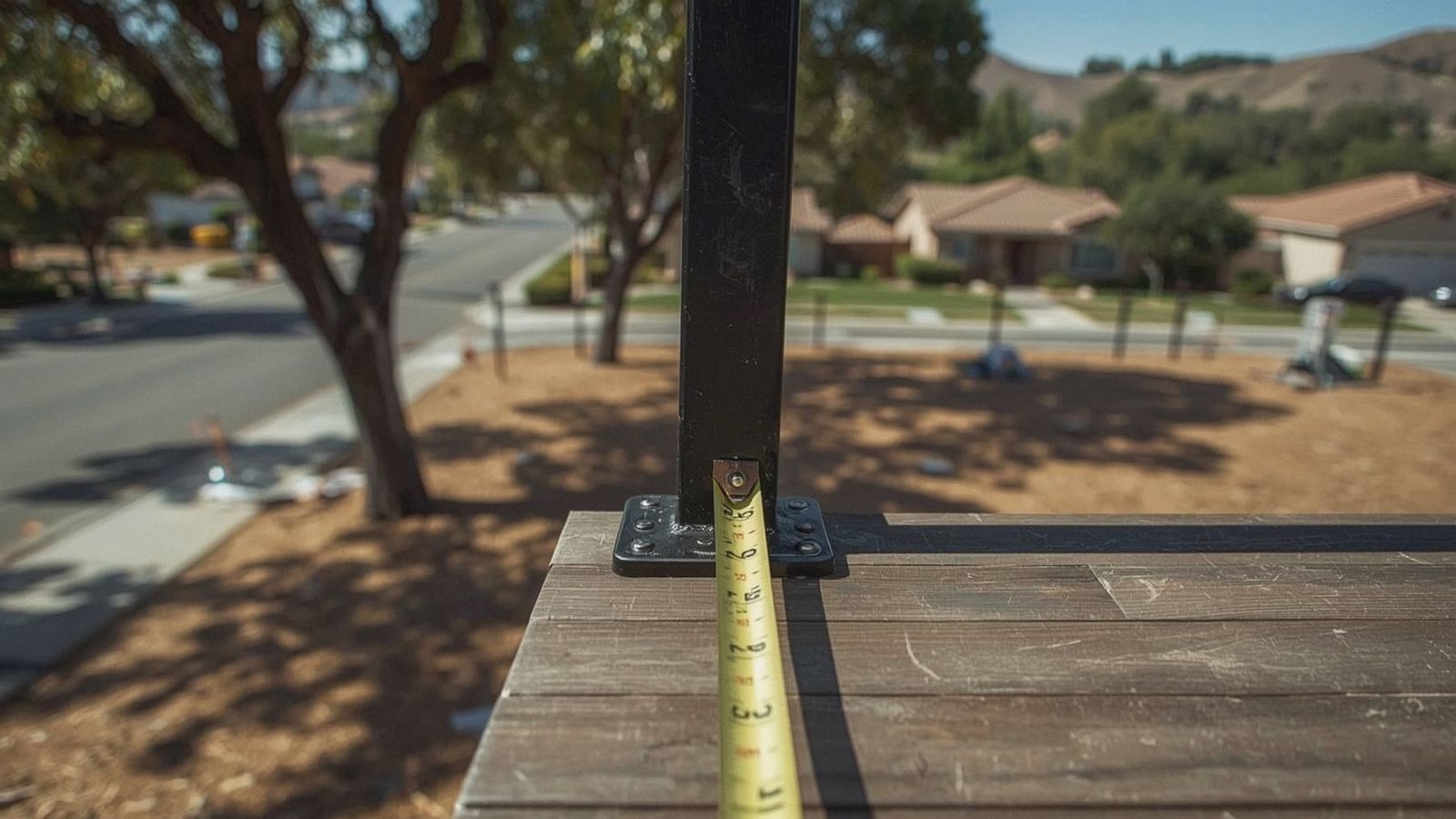
2026 price per linear foot by railing type
| Railing type | Installed price per linear foot | Typical project |
|---|---|---|
| Wrought iron / ornamental | $65–$135 (hand-forged $300–$900) | About $700–$6,000 |
| Aluminum (powder-coated) | $50–$200 | About $400–$4,800 |
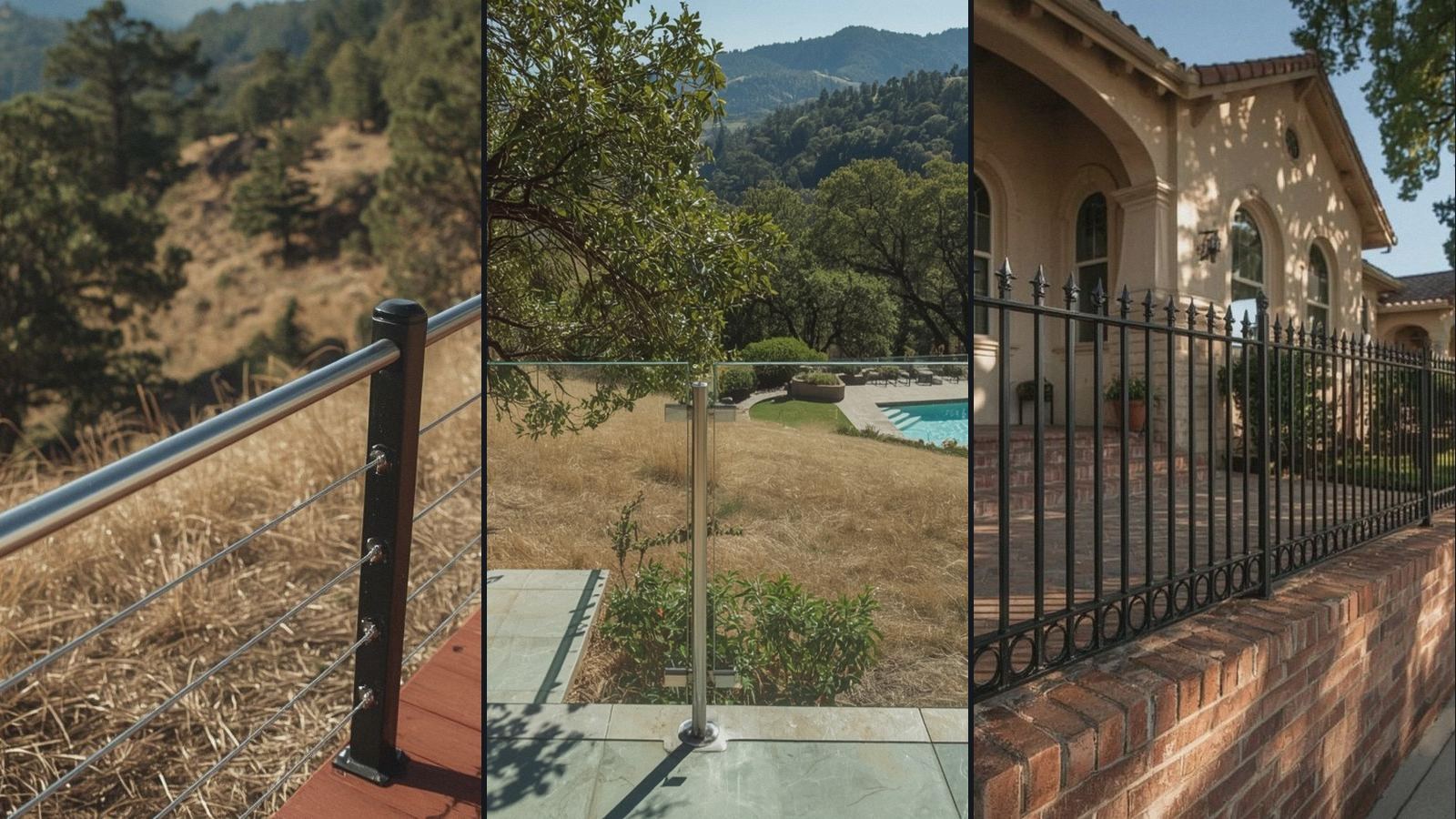
| Cable railing | $75–$260 | About $3,750–$13,000 (average about $9,000 for 50 ft) |
| Glass railing | $150–$600 | Premium tier |
| Interior stair railing | $40–$100 | About $900–$2,500 (about 25 ft) |
| Exterior deck railing | $20–$600 | About $400–$4,800 |
| ADA / commercial handrail | $20–$120 per foot material, plus labor | Varies by run |
Add permit fees of roughly $50 to $500 depending on the city and scope. Corners and turns typically add 20 to 30 percent, and stair sections cost more per foot than level runs. Hand-forged iron is a separate tier because every scroll and collar is shaped by hand.
Planning a railing project in San Jose or the South Bay? We measure on site for free and give you a written range before anything is fabricated.
Example: a 50-foot backyard deck in Willow Glen
Picture a raised rear deck on a 1950s or 1960s house with 50 feet of guard and two outside corners. Here is how the per-foot ranges translate before corners, permits and repairs:
| Material | 50 ft at the per-foot range |
|---|---|
| Wrought iron | $3,250–$6,750 |
| Powder-coated aluminum | $2,500–$10,000 |
| Stainless cable | $3,750–$13,000 |
| Glass panels | $7,500–$30,000 |
Two corners push the total toward the upper half of each range. If the existing deck is wood, we also check the rim joist and blocking where new posts will land. Cable puts real tension on end posts, and a 60-year-old rim board that looks fine can be soft at the bolt line. Fixing that first is a small cost compared with re-installing a rail later.
Notice how much the ranges overlap. A plain aluminum picket rail and a simple iron rail can land within a few hundred dollars of each other on this deck, while glass can cost four times as much. If the deck faces a fence rather than a view, most of the extra spend on glass buys you very little. If it faces the hills, cable usually captures most of the view for less than half the price of glass.
Example: swapping a 1990s oak stair rail for iron
Plenty of two-story South Bay homes built in the 1980s and 1990s still have the original oak handrail and wood spindles. A typical interior run of about 25 feet, counting the stair and the upstairs landing, falls in the interior stair range of $40 to $100 per foot. That puts most projects at roughly $900 to $2,500.
The low end usually means keeping the existing handrail and newel posts and swapping only the spindles for iron balusters. The high end adds a new handrail, new newels or a full rebuild in steel. Either way, the finished stair has to keep balusters tight enough to stop a 4-inch sphere and the handrail between 34 and 38 inches above the stair nosing. Our interior stair railing service covers the options in detail.
Interior jobs are also among the quickest. Balusters are cut and fitted on site, the old spindles come out the same day, and most homes are back to normal within a few days. Plan on dust protection for floors and a brief period when the stair is open on one side.
Example: balcony guards on a small apartment building
Owners of buildings with three or more units have been working through SB 721 balcony inspections, and the state's first-inspection deadline of January 1, 2026 has now passed. When an inspection report flags a guard, the repair is often a replacement in welded steel.
A single 12-foot balcony in wrought iron runs about $780 to $1,620 at the per-foot range, before removal, anchorage repairs and permits. On a building with eight identical balconies, repeating one design keeps fabrication efficient, though each balcony still needs its own measurements and anchorage check. Our multifamily railing service explains how we schedule that work around tenants.
What moves a South Bay quote up or down
- Corners, turns and stairs. Each change in direction means more cutting, fitting and welding. Corners add about 20 to 30 percent.
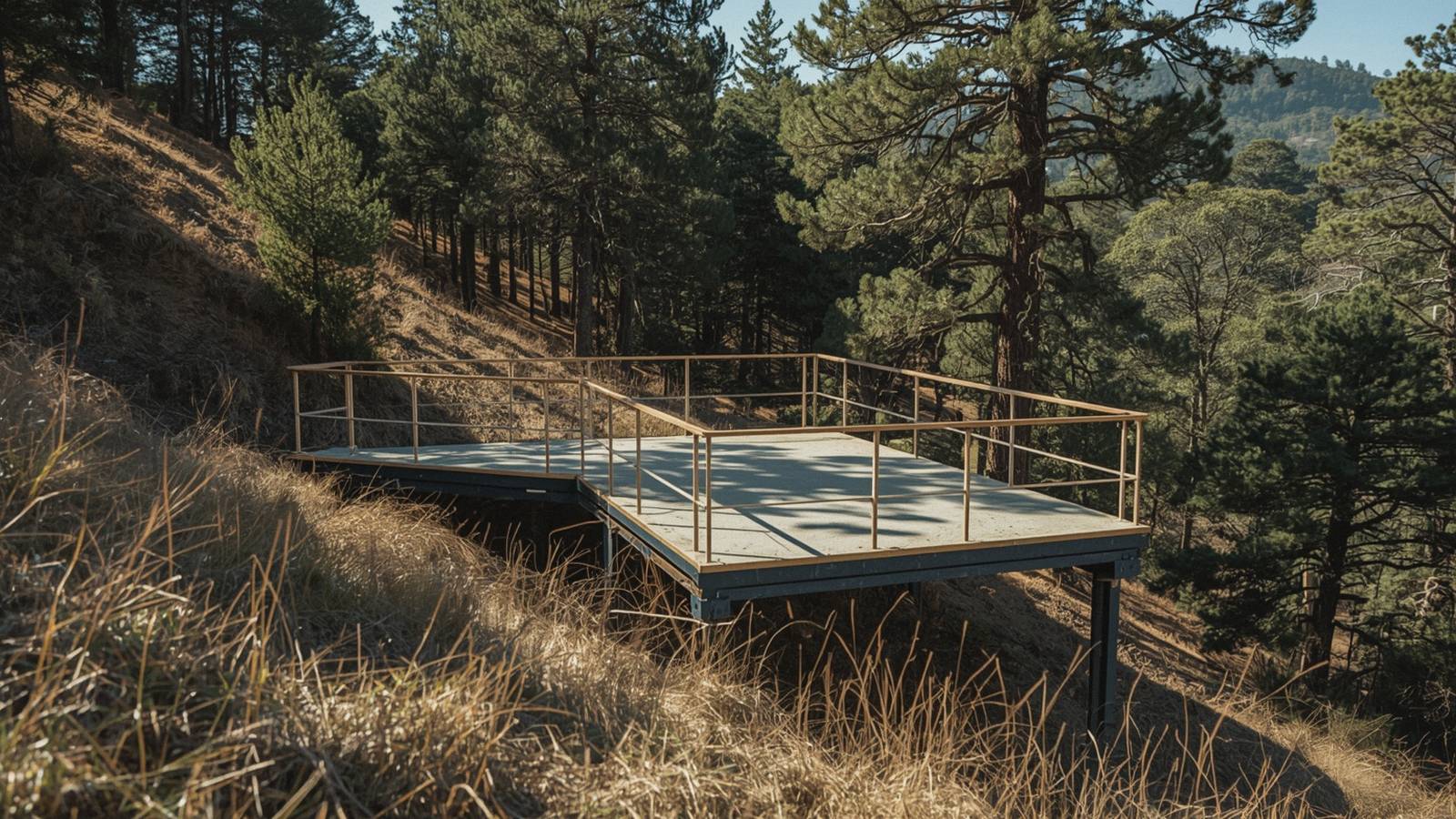
- Site access. Hillside lots in the Almaden, Evergreen and West Valley foothills can mean carrying every post and panel by hand.
- Finish. Hot-dip galvanizing under powder coat costs more than a primer system, and it is worth it near the baylands or anywhere sprinklers hit the rail.
- Glass type. Laminated glass costs more than tempered alone, and frameless base-shoe systems cost more than posted ones.
- HOA requirements. Specified colors, profiles or cap rails can rule out stock parts.
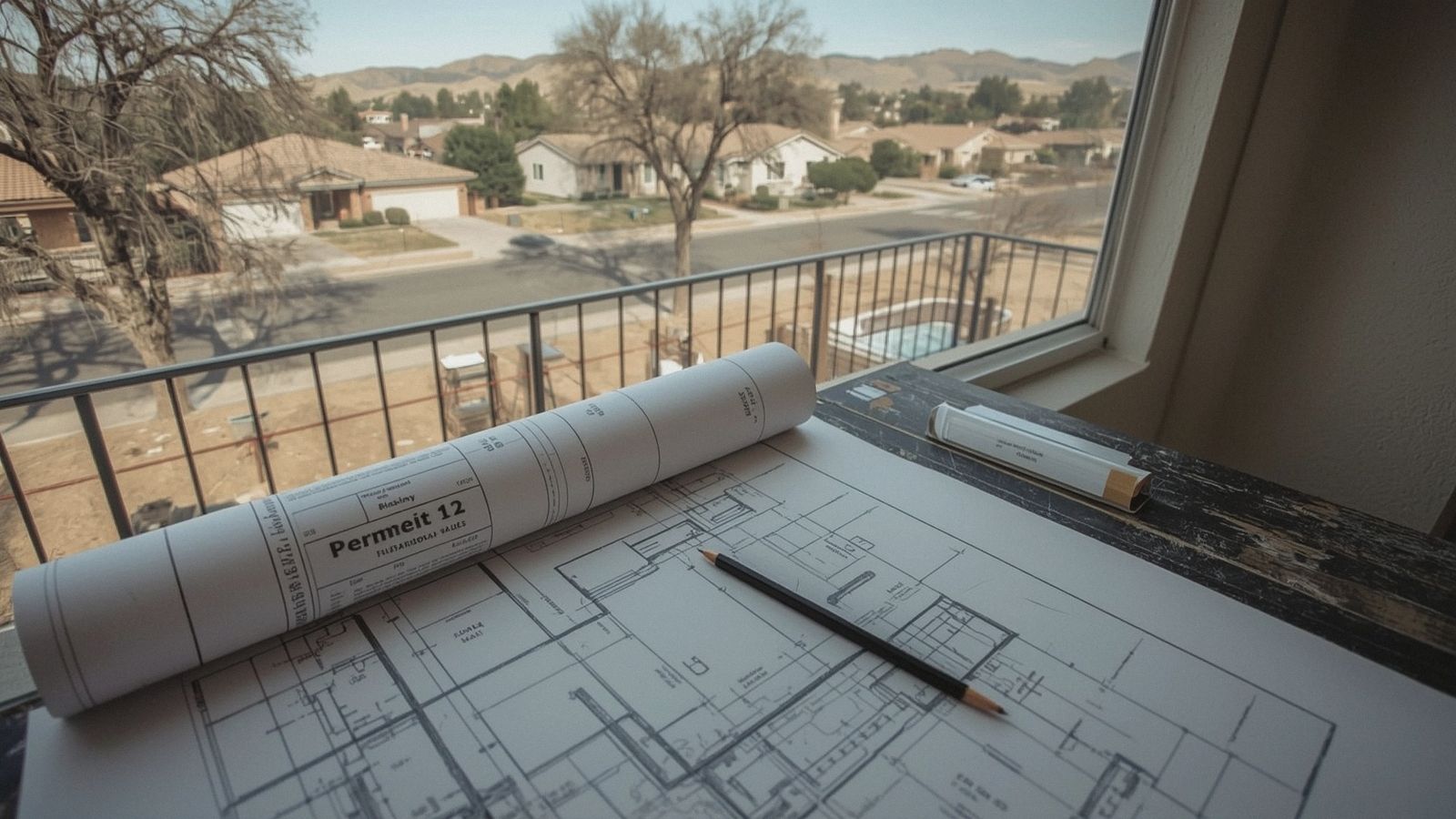
- Permits and engineering. Elevated decks and balconies may need drawings or calculations before the city will issue a permit.
- Repairs underneath. Rotten framing or cracked concrete at post locations is fixed before the railing goes on.
Ways to spend less without cutting corners
The cheapest railing is the one you only install once, but there are honest ways to trim a budget:
- Mix materials. Use glass or cable only on the side that faces the view and simpler pickets on the sides that face the fence.
- Choose standard post spacing and a stock top-rail profile instead of fully custom sections.
- Repair instead of replace when the posts are sound. Re-welding a cracked joint and refinishing costs far less than new steel. See our railing repair service.
- Schedule before the rainy season. About 91 percent of South Bay rain falls from November through April, and dry weeks keep finishing and installation on schedule.
- Bundle work. Doing the deck guard and the front entry rail in one trip saves a setup charge.
Get a San Jose railing price you can plan around
Use our railing cost calculator for a quick range by material and footage.
The estimator above uses the same ranges as this guide. For a firm price, we measure on site, check the structure the rail will anchor to, and give you a written quote that lists footage, corners, finish, removal and permits. Not sure which material fits? Our cable vs glass vs iron comparison walks through the trade-offs.
Call (408) 409-8723 or request a free on-site estimate. We serve all of San Jose and nearby cities including Campbell and Santa Clara.
FAQ
Questions, Answered
Straight answers on cost, code, permits and materials. Still unsure? Call and ask.
How much does a custom railing cost per foot in San Jose?
In 2026, expect about $65 to $135 per linear foot for wrought iron, $50 to $200 for powder-coated aluminum, $75 to $260 for cable and $150 to $600 for glass, installed. Interior stair railings run about $40 to $100 per foot. Corners, stairs, hillside access and permits push the total up.
Why are railings more expensive in San Jose than national averages?
Bay Area labor costs are high, many hillside lots are slow to work on, and HOA finish requirements are common. Corrosion-resistant finishes such as galvanizing under powder coat also add cost up front but extend the life of exterior steel.
Does a railing permit add much to the cost?
Permit fees typically run about $50 to $500 depending on the city and the scope. The bigger cost can be drawings or engineering for an elevated deck or balcony. We prepare railing drawings as part of our process.
Is it cheaper to repair or replace an old iron railing?
Repair is usually cheaper when the posts and anchors are sound and the damage is limited to a cracked weld, a loose baluster or surface rust. If rust has eaten through post bases or the railing is far below today's 42-inch guard height, replacement is often the better value.
Need Help in San Jose?
San Jose Custom Railing builds custom iron, cable, glass and aluminum railings across San Jose, CA and the South Bay. If this guide answered your question, the next step is a free on-site measure and a written range. See everything we do on our homepage, or reach out now.