
Cable vs Glass vs Iron Railing for South Bay Homes
Choosing between cable, glass and iron in the South Bay
Cable, glass and iron railings all work well in San Jose and the rest of the South Bay. The right one depends on what you want the railing to do: frame a valley view, match a mid-century house, satisfy an HOA, hold up near the baylands or keep a toddler safe on a second-floor deck.
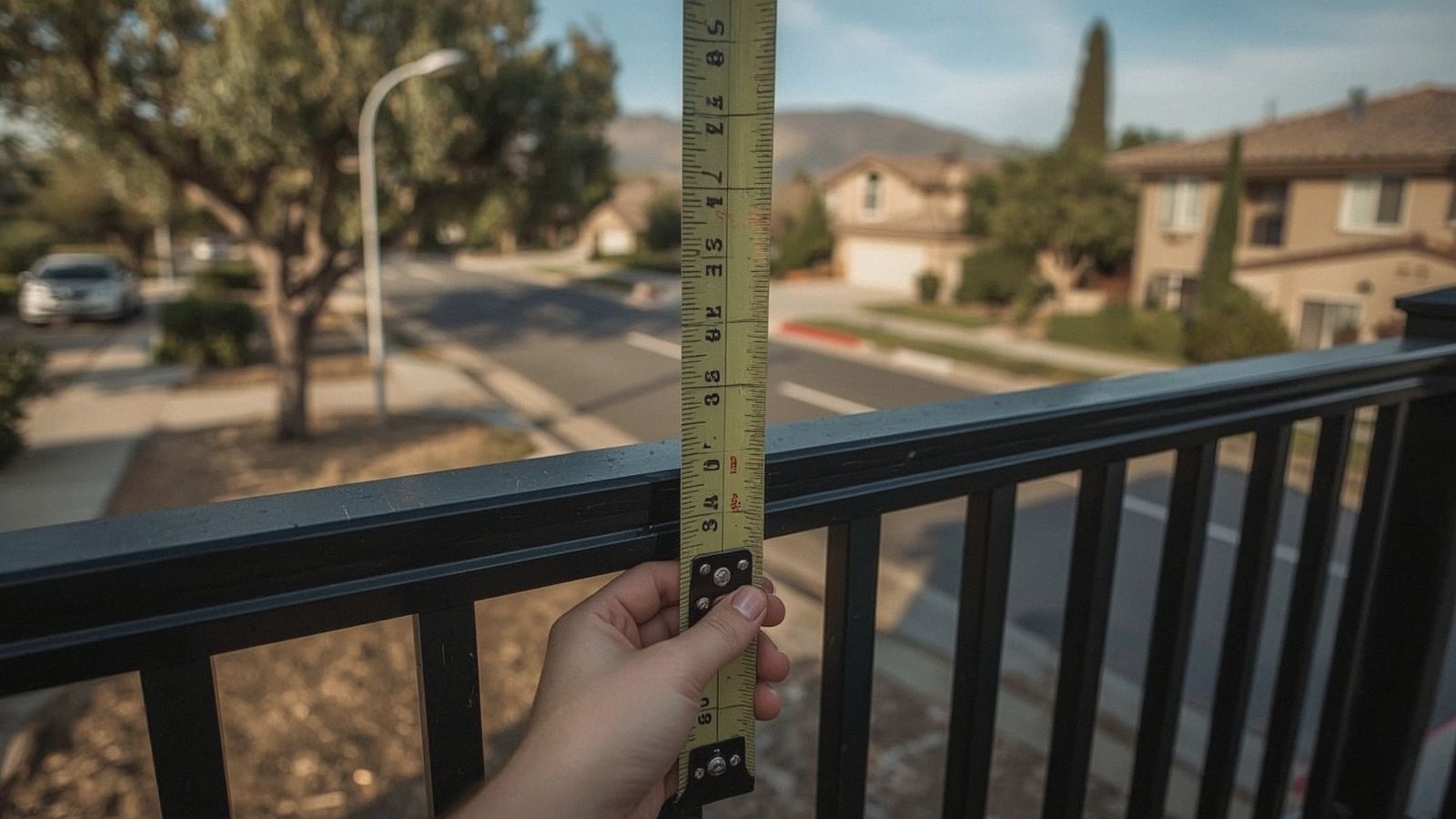
All three can meet California's guard rules when they are built correctly: 42 inches tall where the walking surface is more than 30 inches above grade, with no opening that passes a 4-inch sphere. The differences are in cost, upkeep, looks and how each material behaves in our climate. Aluminum is a fourth option worth knowing about, and we cover it briefly below.
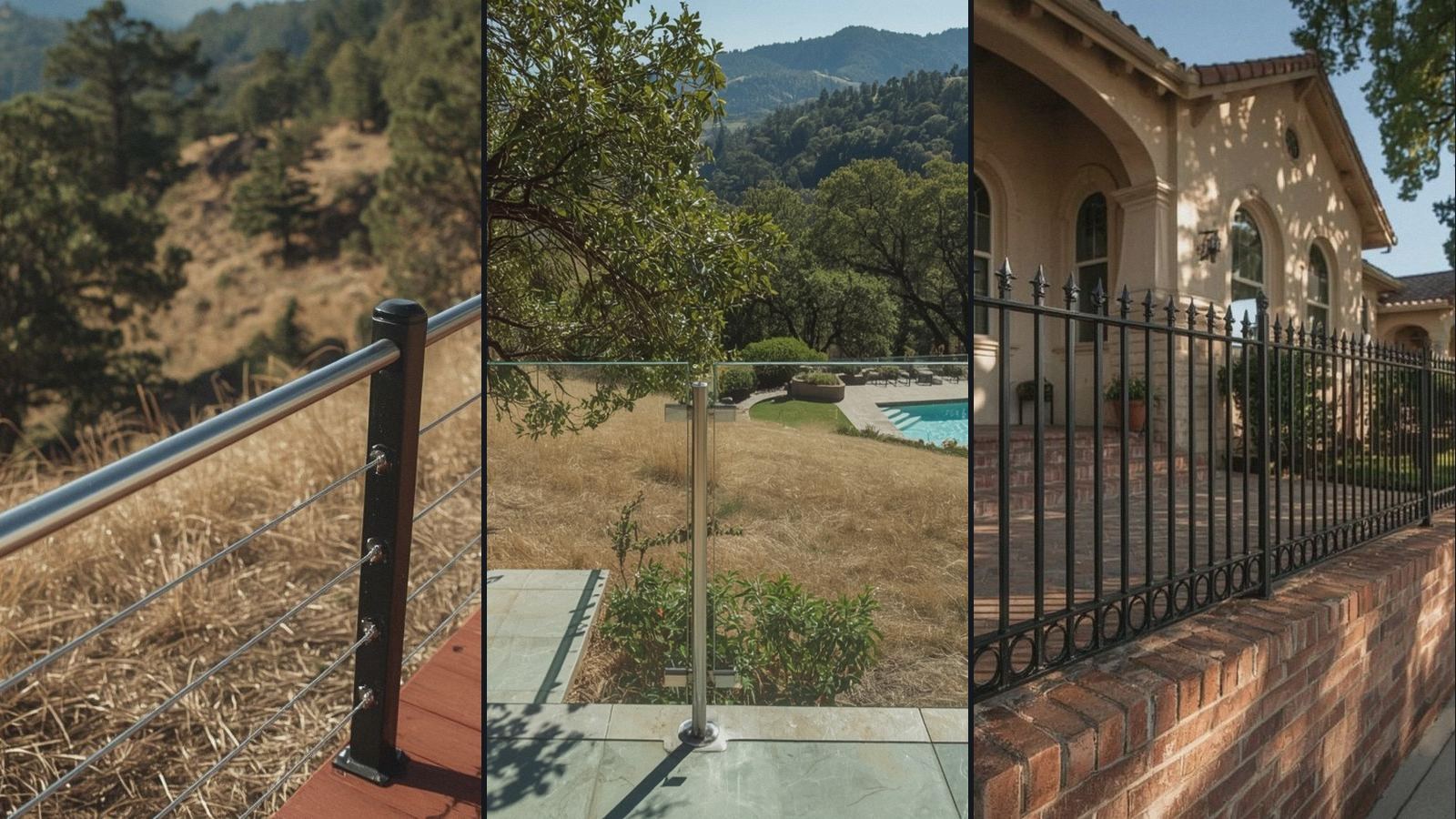
Side-by-side comparison
| Factor | Stainless cable | Glass panels | Wrought iron |
|---|---|---|---|
| Installed price per foot | $75–$260 | $150–$600 | $65–$135 (hand-forged $300–$900) |
| View | Very open; thin lines | Most open; nearly invisible | Pickets interrupt the view |
| Upkeep | Re-tension occasionally; rinse fittings | Frequent cleaning; water spots | Touch up finish if scratched |
| Heat in summer | Thin cable stays manageable | Glass stays cool; metal cap can warm | Dark finishes get hot to the touch |
| Small children | Horizontal runs can be climbed | Nothing to climb | Vertical pickets are hard to climb |
| Combustibility | Noncombustible | Tempered glass is noncombustible | Noncombustible |
| Best fit | Modern, Eichler, view decks | Hillside views, pools, privacy screens | Traditional, Spanish, ranch homes, entries |
Powder-coated aluminum runs $50 to $200 per foot, never rusts and is light enough for long balcony runs. It cannot be forged like iron, so it suits clean, simple designs best. For a long second-floor balcony on a stucco townhome, or a rental where nobody wants to think about rust, aluminum is often the sensible middle ground between the look of iron and the price of a basic deck rail.
Many projects mix materials, too. Glass or cable on the side that faces the view and iron or aluminum pickets on the sides that face neighbors is a common way to get the view without paying glass prices for every foot.
Planning a railing project in San Jose or the South Bay? We measure on site for free and give you a written range before anything is fabricated.
Valley heat and the long dry season
The South Bay is not one climate. NOAA's 1991 to 2020 normals put the July average high at 76.9°F at Moffett Field near bayside Sunnyvale, 80.8°F at San Jose's airport, 82.2°F in central San Jose and 84.9°F in Los Gatos, which averages about 27 days a year at 90°F or hotter. That roughly 8-degree spread matters for a railing you touch.
A black iron rail on a south-facing deck in the West Valley gets hot in the afternoon. If the rail is a handrail people grab, consider a lighter powder-coat color or a wood or composite cap. Glass itself stays cool, though its metal cap or base shoe can warm up. Cable is thin enough that it rarely becomes a problem.
Essentially no rain falls from June through September, and wood rails dry, check and loosen over those months. Metal and glass do not care about the dry season, which is one reason many homeowners replace an old wood guard with one of these three.
Hillside views from the foothills
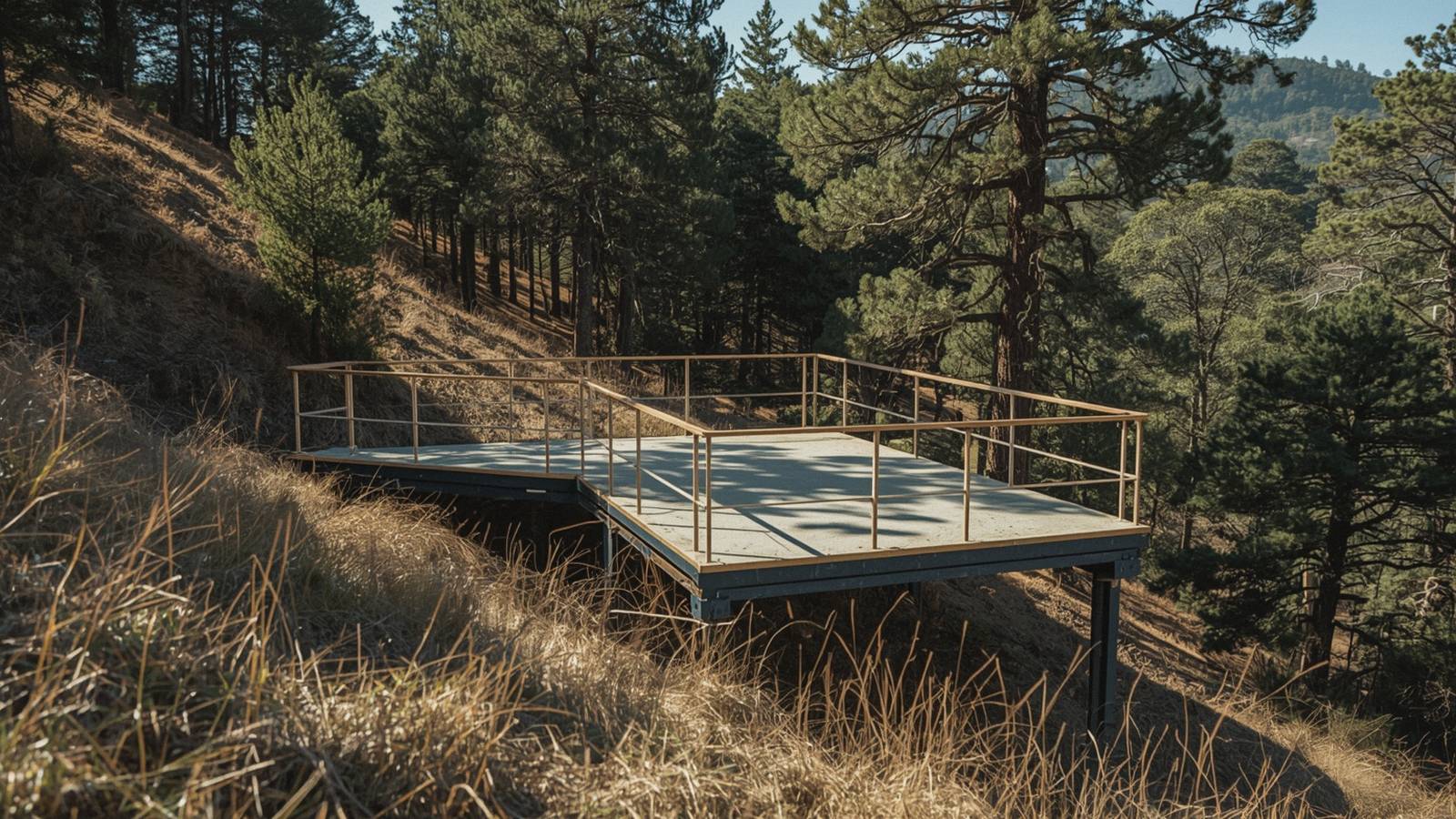
If your deck looks across the valley from the east or south San Jose foothills or the slopes above Los Gatos and Saratoga, glass and cable are the obvious picks. Glass gives the clearest view. Cable gives nearly as much for less money, with horizontal lines that disappear at a distance.
Two local rules can change that choice. In Los Gatos, the Town's Hillside Development Standards limit decks to 6 feet deep where privacy is a concern and suggest solid railing walls as a screening option. Large expanses of glass that create glare visible from the valley floor also draw scrutiny, so expect questions about glare on a hillside glass railing. In Saratoga, upper-story balconies and roof decks near an R-1 neighbor must include an opaque wall at least 4 feet tall under the city's objective design standards, so clear glass or open cable will not satisfy that standard on those sides.
Eichlers and mid-century homes
The South Bay has a large share of mid-century tract homes, including Eichler neighborhoods in San Jose, Sunnyvale, Cupertino and Santa Clara. Those houses were designed around low profiles, post-and-beam lines and walls of glass. A heavy ornamental iron rail fights that look.
For an Eichler or similar modern ranch, the usual winners are flat-bar steel in a simple vertical pattern, slim cable with square posts, or a glass panel with a minimal cap. Keep the top rail thin and the posts in line with the house's beam spacing when you can. Our Eichler railing ideas guide goes deeper on proportions and colors.
HOAs, condos and matching what is already there
Many HOAs require architectural review before any exterior railing change, and the committee's main concern is usually consistency. If every unit in a townhome complex has black iron pickets, a cable rail on one balcony will likely be denied no matter how good it looks.
Iron and aluminum are the easiest materials to match to an existing pattern, since we can copy picket spacing, collar details and color. Glass and cable are easier to approve in newer complexes where the original design already used them. Submit a drawing and a finish sample with your application, and wait for written approval before ordering. Our HOA and condo railing service covers how we package those submittals.
Wildfire zones and noncombustible railings
The state's 2025 Fire Hazard Severity Zone maps added Moderate and High zones in cities for the first time, and San Jose adopted them on June 17, 2025. Parts of the east and south San Jose foothills are mapped High or Very High, as are parts of Los Gatos, Saratoga and Cupertino. You can look up your parcel on the State Fire Marshal's viewer at osfm.fire.ca.gov/fhsz.
New homes and many additions in High and Very High zones, and anywhere in the State Responsibility Area, now fall under California's new Wildland-Urban Interface Code. Check with your building department for your project. That code does not specifically require noncombustible railings, but the deck edge is exactly where embers collect, and a wood rail there is fuel. Iron, aluminum, stainless cable and tempered glass do not burn. See our wildfire-resistant deck railing guide for more.
Kids, pets, baylands air and long-term upkeep
Horizontal cable is legal in California when it stops a 4-inch sphere, but some parents worry about the ladder effect. If you have climbers, vertical iron pickets or glass panels remove the footholds. For dogs, glass and tight pickets both work; cable needs about 3-inch spacing and posts roughly 4 feet apart to stay compliant as it ages.
Near Alviso and the north San Jose baylands, damp, salt-tinged air is harder on steel. Specify 316 stainless for cable, and hot-dip galvanizing or zinc-rich primer under powder coat for iron. Glass needs the most cleaning; iron with a good finish needs the least.
Want to see all three side by side? Compare our cable railings, glass railings and wrought iron railings, price them with our railing cost calculator, or call (408) 409-8723 for a free on-site estimate.
FAQ
Questions, Answered
Straight answers on cost, code, permits and materials. Still unsure? Call and ask.
Is cable railing legal in California?
Yes, as long as the finished guard meets the code: 42 inches tall where required, and no opening that lets a 4-inch sphere pass, including when the cable is pushed. That usually means cables about 3 inches apart and posts about 4 feet apart, properly tensioned.
Which railing is best for a view deck in the South Bay hills?
Glass gives the clearest view and cable gives nearly as much for less money. In Los Gatos and Saratoga, check the local privacy and hillside rules first, since some sides facing neighbors may need a solid or opaque guard.
Which railing material needs the least maintenance?
Powder-coated aluminum and well-finished iron need the least. Iron with galvanizing or zinc primer under powder coat only needs touch-ups where the finish gets scratched. Cable needs occasional re-tensioning, and glass needs regular cleaning to stay clear.
Is glass or cable safer for small children?
Glass panels give children nothing to climb, so many parents prefer them. Vertical iron pickets are also hard to climb. Horizontal cable meets code when built correctly but can offer footholds, which some families want to avoid.
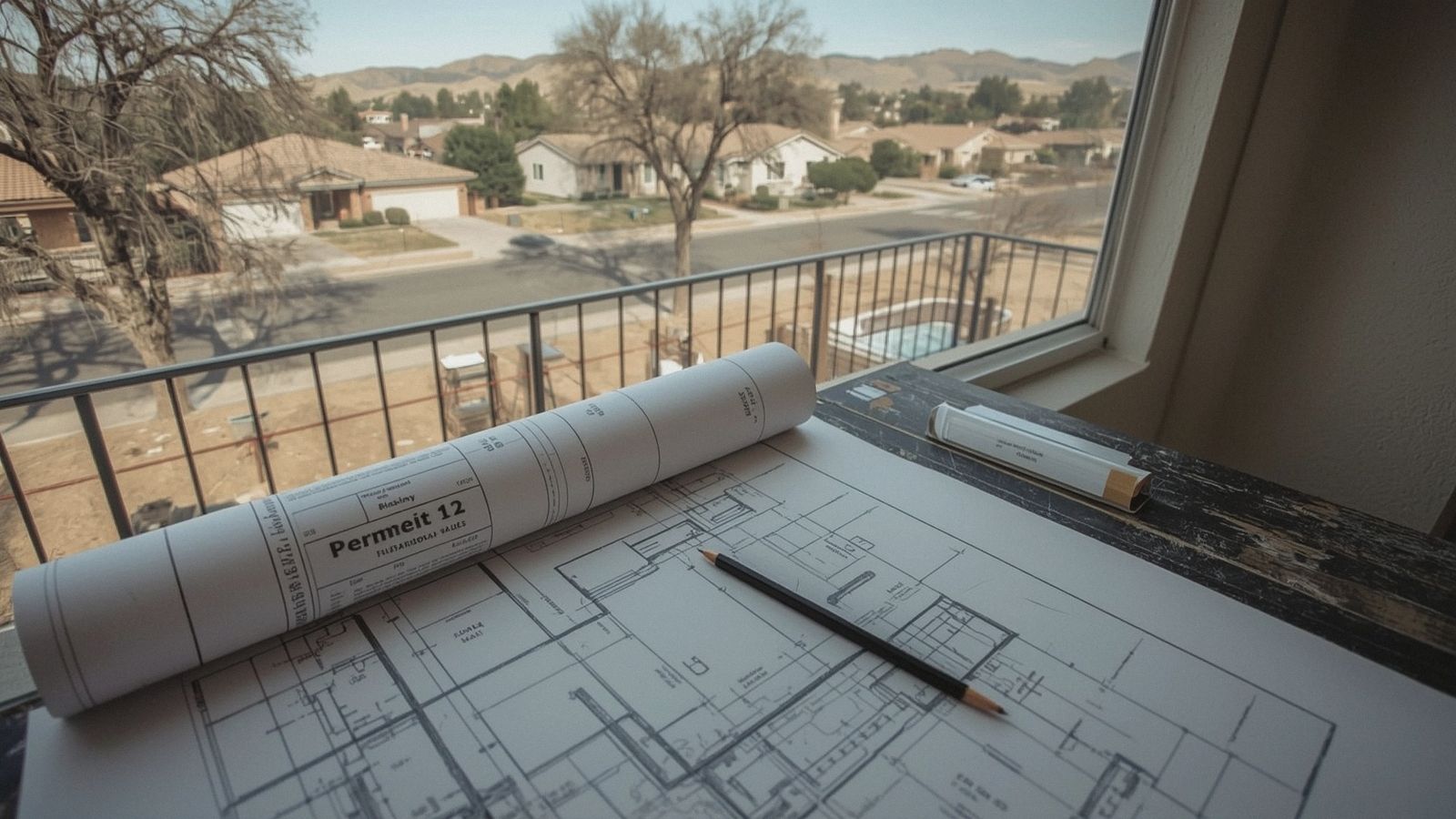
Need Help in San Jose?
San Jose Custom Railing builds custom iron, cable, glass and aluminum railings across San Jose, CA and the South Bay. If this guide answered your question, the next step is a free on-site measure and a written range. See everything we do on our homepage, or reach out now.